MarineInfo builds on the long-standing Integrated Marine Information System (IMIS), which was launched in 2000 as an in-house platform to centralize and streamline marine-related information management. IMIS quickly became the go-to reference for organizing diverse marine data and supporting internal processes, including libraries, research outputs, KPIs, and data exports to partners such as FRIS and research infrastructures.
Over the years, IMIS has evolved to meet the changing needs of the marine research community. Its transformation into MarineInfo extends its capabilities by publishing catalogue records as Linked Data (LD), enabling more efficient discovery, integration, and automated use of marine information. This standardization aims to reduce time and frustration researchers spend locating and understanding datasets. Structured, interconnected metadata allows complex questions to be answered quickly, accurately, and transparently, helping scientists work more efficiently while maximizing the societal impact of their research.
MarineInfo was developed and implemented by the VLIZ Marine Data Centre (VMDC), which promotes Open Science and strives towards adherance to FAIR principles. The platform’s development was made possible through the ENVRI-FAIR project, which supports the findability, accessibility, interoperability, and reusability (FAIRness) of data and services across the ENVRI Cluster research infrastructures and connects them to the emerging European Open Science Cloud.
The development of these linked open data records was guided by the FAIR principles - ensuring that data are Findable, Accessible, Interoperable, and Reusable. In addition, we prioritized Open Science and Open Data practices, making the dataset fully available for reuse, integration, and community-driven improvements. By aligning with these principles, we aim to support transparency, reproducibility, and broad accessibility in research and data-driven applications.
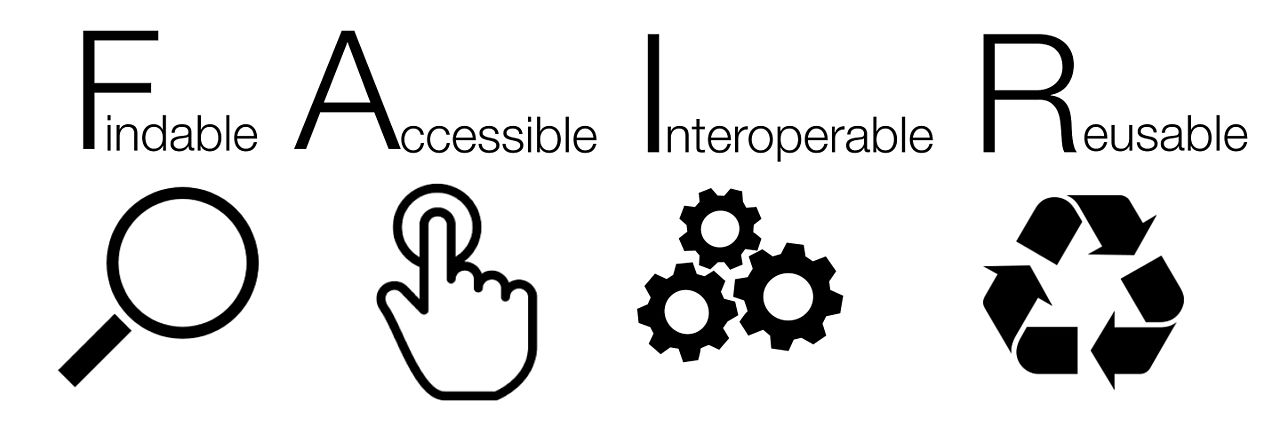
F.A.I.R. principles
Findable: This means that digital objects (*) can be found easily because they are placed in a publically-accessible catalogue and are described with accurate and plentiful metadata.
Accessible: This means that the data systems that provide access to the (meta)data (catalogues, archives, data portals, etc.) are machine interoperable using standard protocols.
Interoperable: This means that the digital objects are standardised – for example, that your data files have non-propriatory file formats, that the data therein are organised in a clear and machine-accessible way, and that standard vocabularies are used so the meaning of everything is clear.
Reusable: The digitial objects have a licence indicating the conditions under which they can be used, and they include provenance information so it is clear how the they were created.
(*) A digital object: a dataset, a data file, a publication, a piece of software, a data-visualising tool, and even metadata themselves are all "digital objects".
Open Science
The VLIZ Marine Data Centre (VMDC) actively supports the Open Science movement, which aims to make research more transparent, collaborative, and accessible to all. By adopting Open Science principles, we ensure that our data and data systems are FAIR—Findable, Accessible, Interoperable, and Reusable. To achieve this, we implement technologies such as Linked Open Data (LOD) and the Semantic Web, which help make research outputs machine-readable, interconnected, and easier to share. Open Science is not a new type of research; rather, it is traditional science conducted in a way that maximizes openness, reproducibility, and societal impact.